Commercial Water Damage Restoration Las Vegas, NV
Rapid Mitigation and Structural Drying for Las Vegas Businesses
When a main line fails on the upper floor of a Las Vegas office complex or a flash flood during monsoon season sends Category 3 water intrusion through your warehouse bay doors, the clock doesn't just tick—it costs. You aren't just dealing with a wet carpet; you are managing a threat to your building's structural integrity and your company's operational continuity. Commercial water damage restoration requires a different level of logistical planning than residential work, often involving hundreds of thousands of square feet and complex HVAC systems that can spread moisture-driven contaminants in hours.
Our approach centers on aggressive commercial water extraction and the immediate implementation of a structural drying protocol. We don't guess where the water went. We use moisture mapping and thermal imaging to track migration behind non-porous surfaces and inside wall cavities. By following the IICRC S500 standard, we ensure that every decision—from the placement of desiccant dehumidifiers to the removal of saturated insulation—is backed by psychrometric data. This scientific rigor is what prevents the secondary damage that keeps facility managers up at night.
In the unique climate of the Las Vegas Valley, the extreme heat can actually work against you if not managed correctly. While surface evaporation happens quickly, the high mineral content of our hard water can leave behind deposits that trap moisture in dense materials like concrete slabs or masonry. If you don't address these subfloor moisture readings early, you risk long-term degradation of your flooring adhesives and the inevitable growth of mold. We understand these regional variables and adjust our industrial dehumidification settings to account for the desert's specific atmospheric demands.
You need a partner who understands that every hour of downtime is a hit to your bottom line. Our team coordinates directly with your facility managers to create containment barriers, allowing your essential staff to keep working in unaffected zones while we handle the heavy mitigation. We provide the detailed scope of loss documentation and psychrometric logs your insurance adjuster requires, ensuring that the financial side of the recovery is as smooth as the physical restoration.
Our licensed operators handle commercial water damage restoration with upfront pricing, fully insured equipment, and 24/7 availability throughout Las Vegas, NV.
Commercial Water Damage Restoration Las Vegas, NV
Minimizing Business Interruption with Expert Mitigation
The primary benefit of hiring a specialized commercial crew is the sheer scale of response we bring to your facility. When a high-rise or warehouse in Las Vegas suffers a category 3 water intrusion, you aren't just dealing with a wet floor; you're facing a ticking clock on business interruption. We use high-capacity desiccant dehumidifiers and thermal imaging inspection to identify moisture trapped in dense building materials that residential-grade fans simply cannot reach. By stabilizing the environment quickly, we prevent the secondary damage that often leads to mold growth within 48 hours. This keeps your doors open. It gets your staff back to work much sooner than a standard cleanup would allow.
Beyond the physical drying, you gain a partner who understands the rigorous documentation required by commercial insurance adjusters. Our team provides detailed psychrometric documentation and moisture mapping to prove the building is dry according to the IICRC S500 standard. This level of detail is vital for our team when we assist in your scope of loss documentation, ensuring that every affected square foot is accounted for in your claim. We focus on the technical details of structural drying protocols so you can focus on managing your tenants and operations without the stress of missing data or rejected claims.
-
Rapid commercial water extraction to prevent structural compromise and long-term liability.
-
Precise moisture mapping using thermal imaging to find hidden leaks behind commercial-grade finishes.
-
Deployment of large-scale desiccant dehumidifiers for faster drying of large open-plan offices or warehouses.
-
Comprehensive psychrometric documentation to satisfy insurance requirements and verify structural integrity.
-
Strategic containment barriers to allow your business to remain partially operational during the restoration process.
-
Advanced subfloor moisture readings to ensure concrete slabs and structural foundations are fully remediated.
Commercial Water Damage Restoration Las Vegas, NV
Why Choose Pathway Restoration for Commercial Water Damage Restoration
Pathway Restoration combines local knowledge, modern equipment, and honest communication for every commercial water damage restoration call.
Rapid emergency response to mitigate
business interruption and protect high-value commercial assets.
Detailed psychrometric documentation and moisture
mapping for seamless insurance claim processing.
Use of industrial-grade desiccant dehumidifiers
for deep structural drying in large-scale facilities.
Fully licensed by the Nevada
State Contractors Board to handle complex structural repairs.
Commercial Water Damage Restoration Las Vegas, NV
Commercial Water Damage Restoration: Your Questions Answered
Commercial Water Damage Restoration Las Vegas, NV
Commercial Water Damage Mitigation
Ignoring a small leak in a commercial setting is a recipe for a catastrophic loss. In the high-stakes environment of Las Vegas commerce, water doesn't just sit; it migrates through subfloors and into adjacent tenant spaces, creating a complex web of liability. When a pipe bursts or a monsoon-season storm overwhelms your roof drains, the clock starts ticking against your building's structural integrity. You aren't just dealing with wet carpets; you are fighting against business interruption that can cost thousands of dollars per hour in lost productivity. Our experienced technicians understand that every minute your doors are closed is a minute your competitors are gaining ground.
Proper commercial water extraction requires more than just a shop-vac and a few fans. We follow the IICRC S500 standard strictly because commercial buildings often contain complex assemblies like raised data floors or multi-layered wall systems that trap moisture. Without professional moisture mapping and thermal imaging, you might miss water pocketed behind expensive finishes. This trapped humidity leads to Category 3 water intrusion scenarios where bacteria and pathogens thrive. We use industrial dehumidification and desiccant systems to pull moisture from deep within dense materials like concrete slabs and masonry, ensuring the environment is truly dry before you even think about hanging new drywall.
Documentation is the backbone of a successful commercial claim. Your insurance carrier won't just take your word for it; they require psychrometric documentation and detailed scope-of-loss reports to justify the restoration costs. If you lack a clear paper trail showing the daily progress of structural drying, you risk having your claim denied or underpaid. Beyond the financial aspect, there is the matter of long-term liability. As a facility manager, you need to prove to your tenants and stakeholders that the building is safe and mold-free. We provide the rigorous data needed to satisfy both adjusters and health inspectors, giving you a clear path back to normal operations without the fear of secondary damage surfacing months later.
Our Services
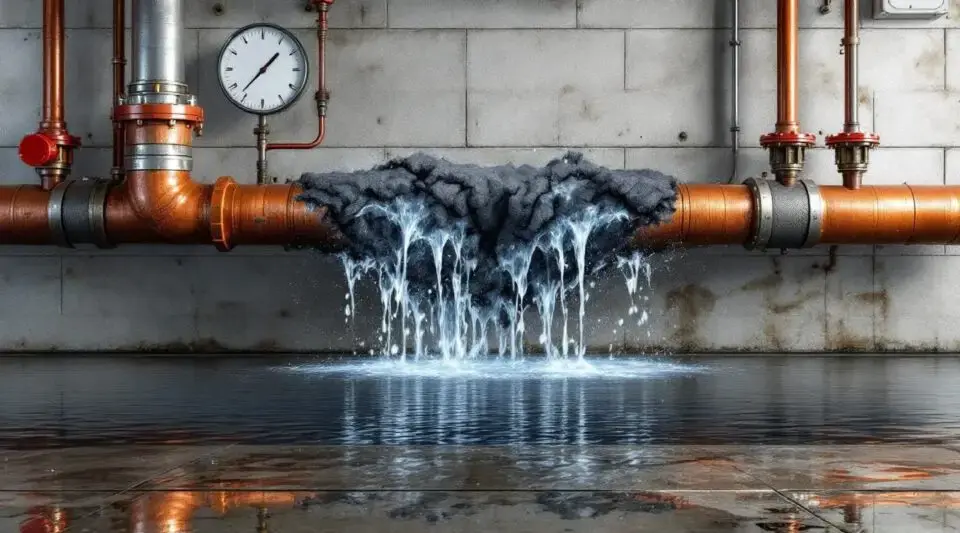
Commercial Pipe Burst Repair
When a pressurized pipe failure occurs in a commercial setting, the sheer volume of water released in just minutes can be staggering.
View Service
Hotel Water Damage Restoration
When a hospitality property in Las Vegas faces a sudden flood, the clock doesn't just tick; it drains your bottom line.
View Service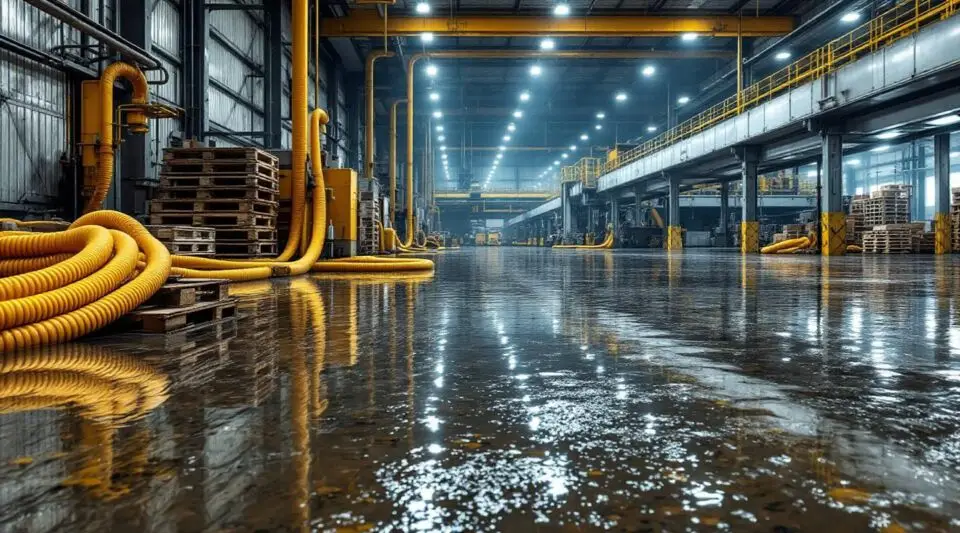
Industrial Flood Cleanup
Industrial flooding isn't just a maintenance headache; it’s a direct threat to your operational continuity.
View Service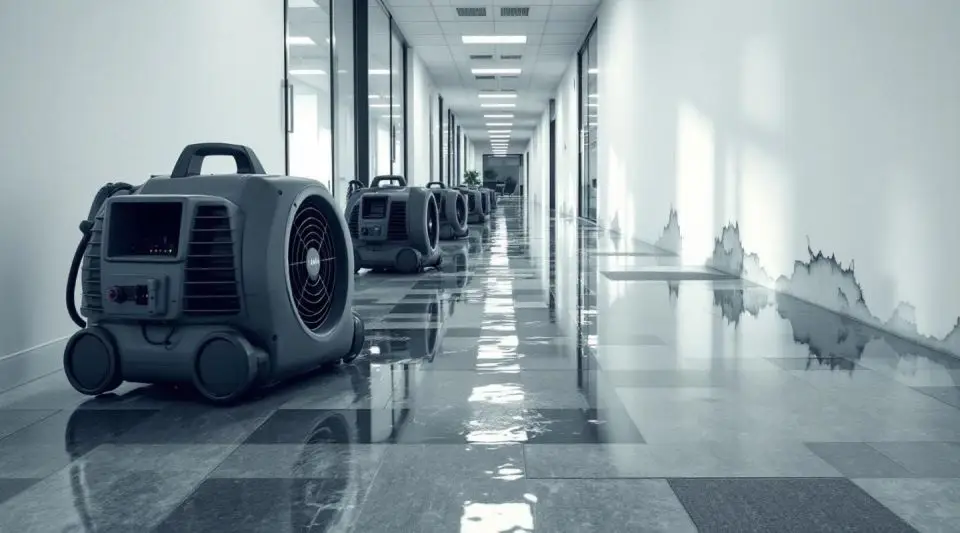
Office Building Flood Repair
When a high-pressure pipe bursts or a cooling tower fails in a multi-story Las Vegas office complex, the clock starts ticking against your building’s structural integrity.
View Service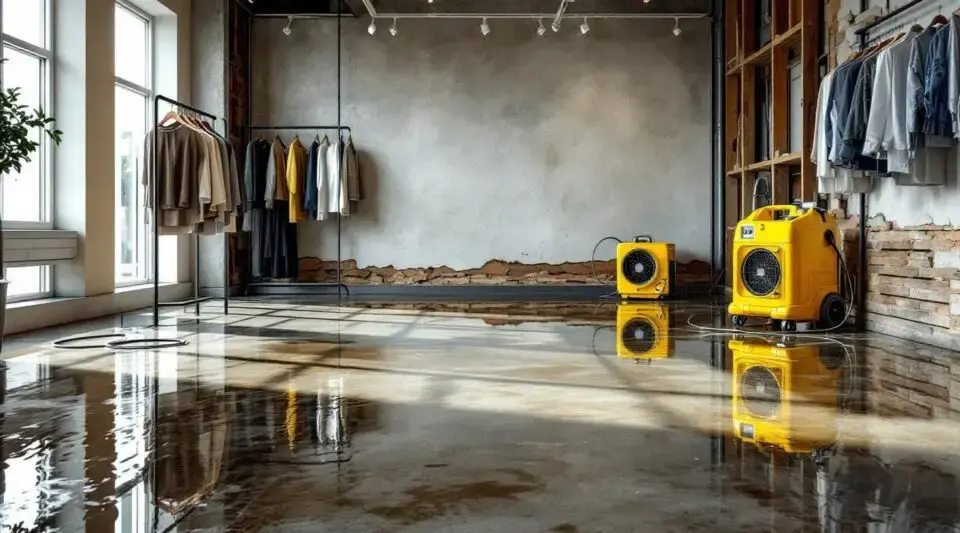
Retail Store Flood Recovery
When a flash flood during the Las Vegas monsoon season sends water rushing under your storefront threshold, the clock starts ticking against your bottom line.
View Service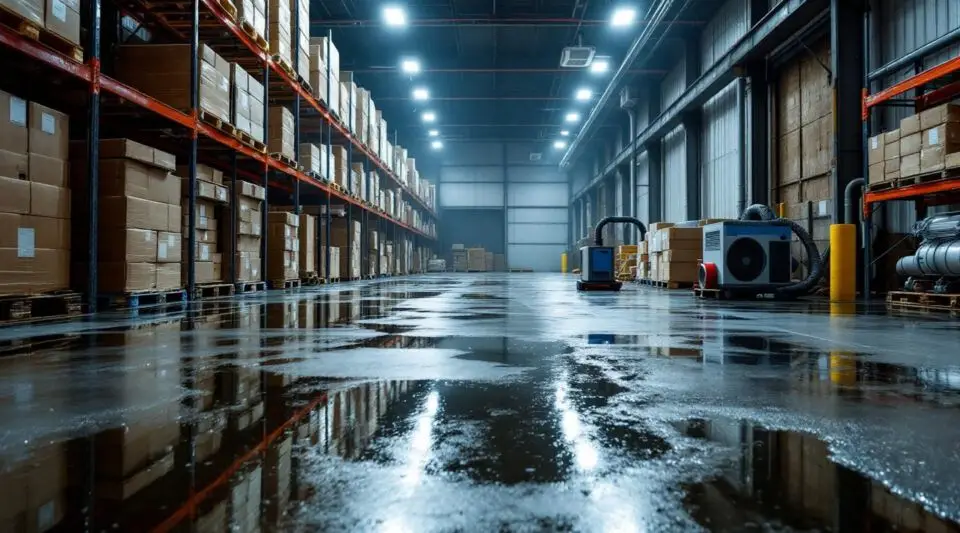
Warehouse Water Damage Cleanup
When a main line bursts or a flash flood hits a Las Vegas industrial facility, the clock doesn't just start ticking; it starts costing.
View Service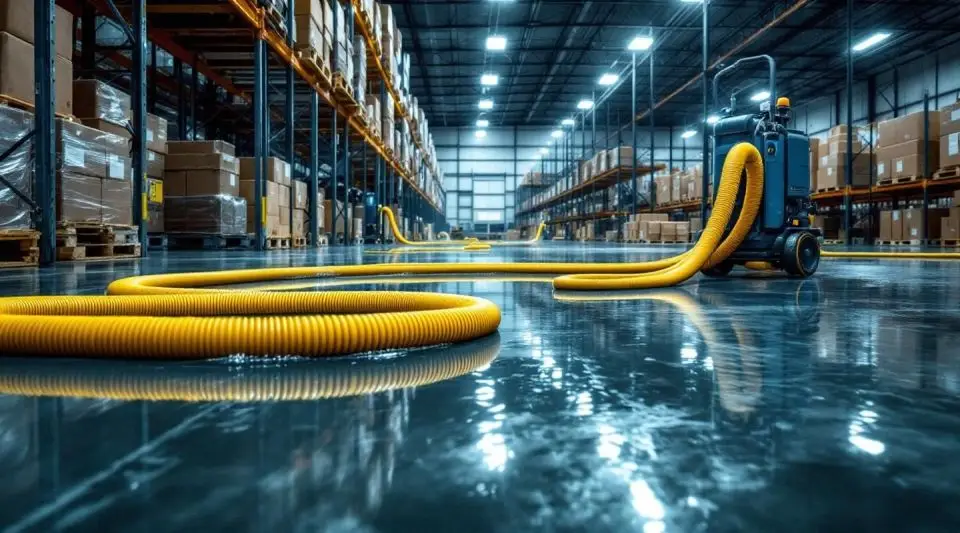
Warehouse Water Extraction
When a warehouse floor in Las Vegas floods, the clock doesn't just start ticking—it becomes your biggest liability.
View ServiceProtect Your Operations with Professional Commercial Water Mitigation
Don’t let a water intrusion turn into a permanent business closure or a long-term liability nightmare for your tenants. Whether it's a burst pipe in a high-rise or monsoon flooding in your warehouse, our crew provides the rapid commercial water extraction and moisture mapping required to keep your doors open. We prioritize business interruption mitigation, ensuring every structural drying protocol meets the IICRC S500 standard so your insurance adjuster has the detailed documentation they require.
You need more than just a basic cleanup; you need a partner who understands the massive scale of Las Vegas commercial properties and the urgency of your bottom line. Contact our team today to stabilize your site and prevent secondary damage before it compromises your inventory, server rooms, or electrical systems.
What They Say About Us:
After a pipe leak threatened our property near Summerlin, this team arrived quickly to handle the entire extraction and drying process. Their professional guidance through every step made a stressful situation much easier to manage.
Jennifer
Professional Commercial Water Damage Restoration and Drying ServicesThe mold removal service they performed in our crawl space near the Arts District significantly improved our indoor air quality. They successfully sealed the area and resolved all the underlying dampness issues we were facing.
Karla
Expert Mold Remediation and Dampness Repair for Local PropertiesWhen we discovered mold in our HVAC closet near Henderson, their crew performed a detailed inspection and completed all necessary repairs. Our system is now functioning perfectly and the unpleasant odor has completely vanished.
Marilyn
Thorough HVAC Mold Inspection and Restoration in Las VegasOur office near the Strip experienced a major water line break over the weekend that left the carpets soaked. They dispatched a crew the same day to provide efficient restoration services that kept our business downtime to a minimum.
Yuliyan
Rapid Commercial Water Damage Restoration for Local Office SpacesThis team provided prompt and reliable restoration services for our property near Spring Valley during a very difficult time for our family. We truly appreciated their efficiency and the care they took in fixing the water damage so quickly.
Blanca
Reliable and Prompt Commercial Water Damage Restoration Services